The days a clumsy carpenter blamed his tools
If note 4 was about choosing what to put in the pictures, this one is about what I ran into when I tried to actually paint them.
I meant to build the pictures in layers
The original plan was to split each image into several layers: change the colour of the hanji paper behind it according to the month branch, change the position and size of the main subject according to whether the day master is strong or weak, and lay a filter over it for the time of day according to the hour branch, so that it could vary widely. Even the same pine would become a different picture depending on the month and the hour you were born.
For that I needed vector images, SVG files that do not break up when enlarged and can be split into layers. So I came to use Recraft, which produces vector images. Ink wash bleeding on rice paper is a single colour, I reasoned, so splitting it into layers ought to be possible.
Ink is one colour, so I thought it would work
Subjects that were clear-cut and familiar from old paintings came out well enough. Beyond those, the limits were plain. Handling light and shade as if lit according to the climate of the chart had little effect, and on real devices, in real browsers, it ended up being neither one thing nor the other. In the end each picture was made as a single image, with no layers.
Looking again at the work orders that remain, the prompts were ideal. An oil-well flare, a concrete dam, a hydroelectric plant: every one of them ended with "Kim Hongdo Joseon dynasty ink painting style." I was, in effect, asking Kim Hong-do to paint an oil derrick. For Jia-Chen I ordered "a fir tree growing from a misty cliff face" and got a pine. For a midday Bing-Wu I ordered "strong vertical rays pouring straight down," and a literal-minded program painted a Bing sun that looks like a spaceship.
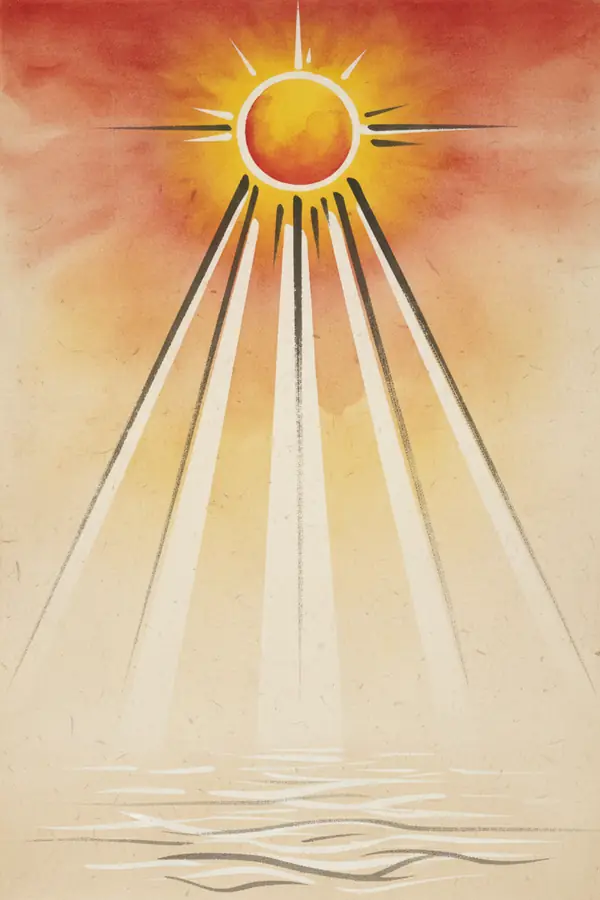
If it was going to be a single layer anyway, I was left wondering whether Midjourney, with its range of styles, would have suited better. Truly a clumsy carpenter blaming his tools.
I ordered the guardians of General Kim Yu-sin's tomb
The twelve zodiac pictures in the folk-painting mode took as their model the twelve guardian figures of the Silla tomb of General Kim Yu-sin: not animal characters but deified guardians, in pale pastel washes, with dancheong colour only on small ornaments. At the end of the work order I even wrote "no cartoon aesthetics, no bold outlines, no opaque flat coloring." I also gathered material as far afield as modern art to reflect the five-phase colours of the hidden stems.
Yet the results swung between talismans and comic cartoons, and sometimes looked like the illustrations on a game's help screen. The bold outlines and opaque fills I had forbidden were all there.
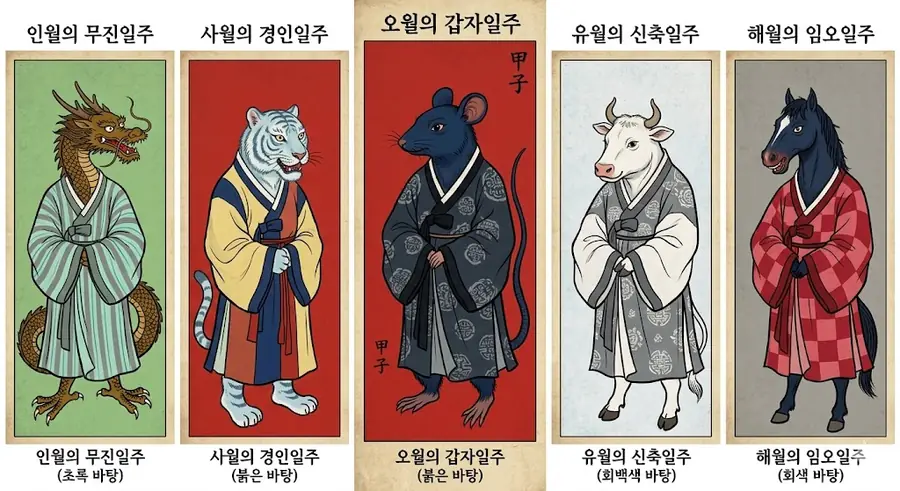
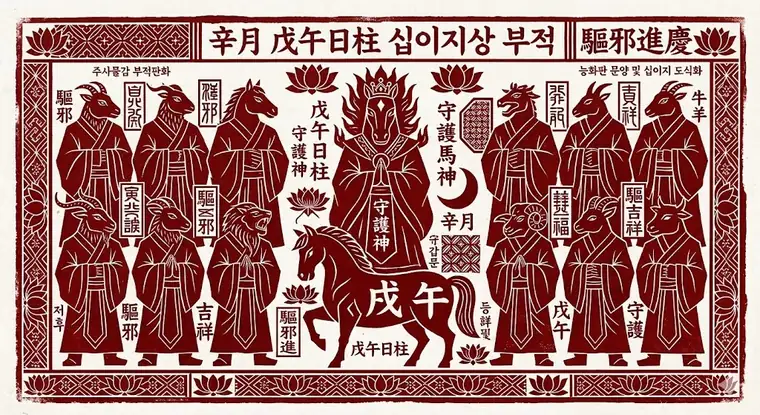
The opposite happened too: pictures that were a problem because they were too good. A high-resolution program that took the prompt word for word produced something that made me want to ask back, "a dragon for output and expression?"
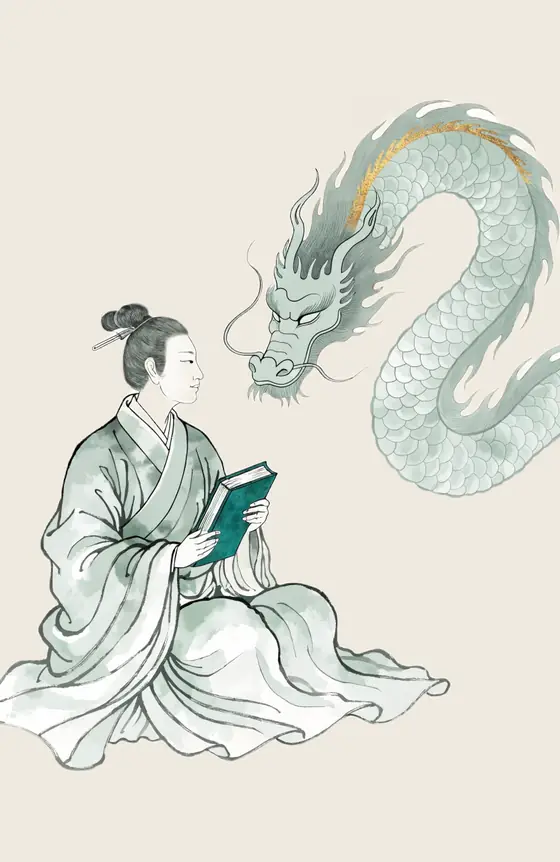
At first I meant to draw only 48 pictures, the twelve animals times four seasons, and to dress the body colour and the clothes on screen. Today the folk paintings are 60 pictures, the twelve animals times five kinds of dress, each one a finished picture in its own right. I had to be content that those colours were realised, at least, in the cloisonné enamel images made by another hand.
It was fine up to the skyscraper
For the imagery of the modern city I pictured handsome blueprints. That too worked only as far as a skyscraper for Jia wood. Imagined drawings of finer subjects were a run of days on which the maker was disappointed in her own beginner's level.
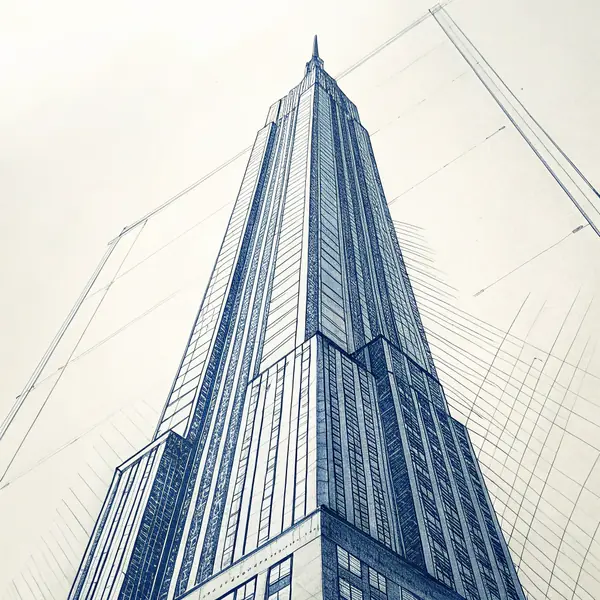
The pictures on the screen today are what that clumsy carpenter carved out, a little embarrassed.
Why and how this service was made is set out in About daycolor and How it works; the words that appear on screen are in the Glossary.
Open daycolor →